

TSW 2026 (Technology & Services World), the TSIA conference taking place October 19-21 at ARIA Resort & Casino in Las Vegas, focuses on how AI is changing the customer lifecycle. When planning out your three days at the conference, you should keep three core topics in mind: monetizing AI, building autonomous customer experiences, and redesigning services for an AI-driven lifecycle. TSW will have a track, with multiple sessions and workshops, covering each of them.
The central focus at TSW mirrors a growing challenge that modern tech companies are facing. Customers increasingly expect proof of outcomes before they buy, and AI-native companies are able to demonstrate value in just weeks. For established providers who find themselves suddenly competing with these companies, that creates pressure to rethink the way value is promised and delivered across the customer lifecycle. We call this phenomenon “the Promise Gap.”
Key Takeaways
- When and where: October 19-21, 2026, at ARIA Resort & Casino in Las Vegas, with hands-on workshops beginning Monday.
- Three conference tracks: Architecting the AI-Driven Lifecycle, Monetizing AI Across the Lifecycle, and Building the Autonomous CX.
- Five keynotes: Featuring TSIA’s J.B. Wood, Thomas Lah, and George Humphrey, alongside SAP’s Sanjay Kulkarni and Salesforce’s Bernard Slowey.
- Session recordings: Most sessions are recorded, with replays available to registered attendees after the conference.
- Member benefits: Eligible TSIA members can apply conference vouchers through the TSIA Portal.
TSW is TSIA’s fall Las Vegas conference, previously held under the TSIA World ENVISION name.
The Three Tracks at TSW 2026
TSW 2026 organizes its program around three questions facing technology services leaders: how to monetize AI, deliver outcomes efficiently, and redesign the customer lifecycle around faster value realization.
Monetizing AI Across the Lifecycle
Can technology companies price on outcomes while protecting margins? Selling a measurable result creates a different commercial obligation from selling licenses or billable hours. Providers need to establish what success looks like, how it’s measured, and what delivering it will cost. This track examines AI monetization strategies, from packaging and pricing AI offers to replacing labor-based models with outcome-based pricing. It also explores the value metrics and ROI evidence needed to make those models commercially sustainable.
Sessions to prioritize: From Seats to Outcomes (Marc Troyan, Senior Director of Customer Success and Customer Growth and Renewal Research, TSIA) and The Anatomy of a Compelling Offer (Hal Stanley, Vice President of Offering Management Research, TSIA).
Building the Autonomous CX
Are support, success, and education orgs able to deliver customer outcomes without adding headcount? This track explores autonomous CX, where AI agents and human teams coordinate everyday work across support, professional services, Customer Success, education, and field services. The challenge is moving beyond isolated automation to workflows where agents are able to resolve routine issues while people handle exceptions and more complex customer needs.
Sessions to prioritize: From Support 1.0 to Autonomous Resolution (Dave Baca, Senior Director of Support Services Research, TSIA) and Scaling AI in Technical Support: From Pilot to 50% Productivity Improvement (Jack Zhang, Director, Lenovo).
Architecting the AI-Driven Lifecycle
How can established providers compete with AI-native companies that are able to demonstrate value in weeks rather than months? This track examines operating models, organizational design, and forward-deployed engineering, alongside the shift toward implementation, adoption, and outcome-focused services. For services leaders, the question is whether existing teams, responsibility, and delivery processes can support faster time to value, or whether the operating model itself needs redesigning.
Sessions to prioritize: PS 2.0: The Year-One Scoreboard (Bo DiMuccio, Distinguished Vice President of Professional Services Research, TSIA) and Lifecycle Without Walls (Nik Kale and Shankar Ramanathan, Principal Engineers, Cisco).
Five Keynotes You Shouldn’t Miss
TSW 2026 brings together TSIA’s top research leaders and senior executives from Salesforce and SAP. Across the keynotes, they will explore the Promise Gap and the commercial and operational difficulties that come with delivering measurable value through AI.
J.B. Wood, TSIA: The Future of the AI Customer Lifecycle
Wood opens the conference by examining the Promise Gap: the distance between the outcomes Sales promises and what services organizations can demonstrate and deliver.
Thomas Lah, TSIA: Close the Promise Gap
Lah explores model-driven value engineering and how technology providers can build stronger business cases, particularly when competing against AI-native companies.
Bernard Slowey, Salesforce: Good for the Customer, Good for the Business
Slowey brings an operator’s perspective on scaling AI across Salesforce’s customer lifecycle, drawing on experience leading digital Customer Success within a large organization. For Customer Success and support leaders, the value is seeing how a major technology provider approaches AI adoption across an established customer base, rather than starting from a blank slate.
Sanjay Kulkarni, SAP: How SAP is Reinventing Services for the Agentic AI Era
Kulkarni examines SAP’s transition toward AI-powered services delivery and what that operating model means for professional services and delivery leaders. His session offers a perspective on adapting existing services organizations to agentic AI while maintaining responsibility for customer outcomes.
George Humphrey, TSIA: From Value Engineering to Value Realization; Rinse, Repeat
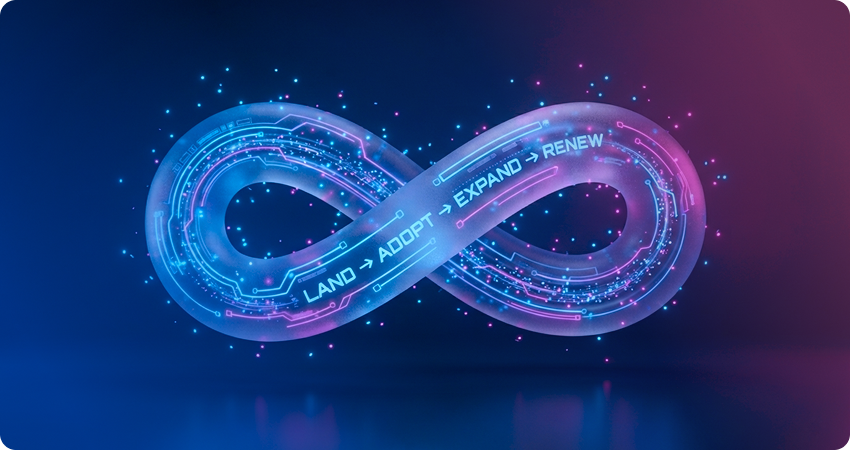
Humphrey closes out TSW with the challenge of turning promised outcomes into repeatable results, building on TSIA’s LAER-to-DARE framework. For leaders responsible for retention and growth, the takeaway is how to make value realization an ongoing part of customer engagement, as opposed to a one-time exercise.
Monday’s Hands-On Workshops
Monday, October 19 features five three-hour workshops that are designed to turn conference insights into implementation roadmaps.
Each workshop focuses on a different services discipline:
- Customer Success and Customer Growth: Rethinking Customer Engagement for the Outcome-Based Era, led by Darlene Kelly (Director of Customer Success and Customer Growth and Renewal Research, TSIA) and Marc Troyan (Senior Director of Customer Success and Customer Growth and Renewal Research, TSIA)
- Professional Services: From Outcome Talk to Outcome Operating Model, led by Anthony Paluska (Partner, McMann & Ransford) and Bo DiMuccio (Distinguished Vice President of Professional Services Research, TSIA)
- Managed Services and Offering Management: From Activity to Outcome: Defining and Pricing Outcome-Based Offers, led by Hal Stanley (Vice President of Offering Management Research, TSIA) and Justin Cawood (Vice President of Managed Services Research, TSIA)
- Education Services: AI-Powered Orchestration of Just-in-Time Learning Across the Customer Lifecycle, led by Janice Lee (Director of Education Services, TSIA)
- Support Services: Diagnosing and Sequencing Your Journey to Support Services 2.0, led by Dave Baca (Senior Director of Support Services Research, TSIA)
How to Plan Your Three Days
With three tracks running across the conference, you should prioritize sessions according to your role and the challenges facing your organization.
Attendees can also use TSIA Advisor to help plan their conference agenda around their interests and challenges
Customer Success leaders: Focus on Building the Autonomous CX and Architecting the AI-Driven Lifecycle. Prioritize From Support 1.0 to Autonomous Resolution (Dave Baca, Senior Director of Support Services Research, TSIA) and Lifecycle Without Walls (Nik Kale and Shankar Ramanathan, Principal Engineers, Cisco) to explore how AI changes customer engagement and service delivery.
Support leaders: Start with Building the Autonomous CX. From Support 1.0 to Autonomous Resolution (Dave Baca, Senior Director of Support Services Research, TSIA) and Scaling AI in Technical Support: From Pilot to 50% Productivity Improvement (Jack Zhang, Director, Lenovo) address automation and operational efficiency.
Professional Services leaders: Follow Architecting the AI-Driven Lifecycle. PS 2.0: The Year-One Scoreboard (Bo DiMuccio, Distinguished Vice President of Professional Services Research, TSIA) and Lifecycle Without Walls (Nik Kale and Shankar Ramanathan, Principal Engineers, Cisco) offer perspectives on measuring service performance and coordinating delivery across the customer lifecycle.
Offering and pricing leaders: Concentrate on Monetizing AI Across the Lifecycle. From Seats to Outcomes (Marc Troyan, Senior Director of Customer Success and Customer Growth and Renewal Research, TSIA) and The Anatomy of a Compelling Offer (Hal Stanley, Vice President of Offering Management Research, TSIA) explore how to connect pricing decisions with demonstrable customer value.
If you’re attending with colleagues, divide the tracks to cover more ground. Prioritize workshops and peer roundtables while onsite, as these are less likely to be recorded. Recorded breakouts can be revisited after the event.
Can’t Make it to Las Vegas?
Can’t attend TSW 2026 in person? Most conference sessions will be recorded, with replays available to registered attendees after the event. These recordings offer a way to catch up on presentations, although they don’t (and can’t) replace the live workshops and networking opportunities.
Once available, the TSW 2026 content hub will provide further event resources. You can also register for updates about TSW 2027.
Stay Informed on the TSW conference page)
Smart Tip: Embrace Data-Driven Decision Making
Making smart, informed decisions is more crucial than ever. Leveraging TSIA’s in-depth insights and data-driven frameworks can help you navigate industry shifts confidently. Remember, in a world driven by artificial intelligence and digital transformation, the key to sustained success lies in making strategic decisions informed by reliable data, ensuring your role as a leader in your industry.